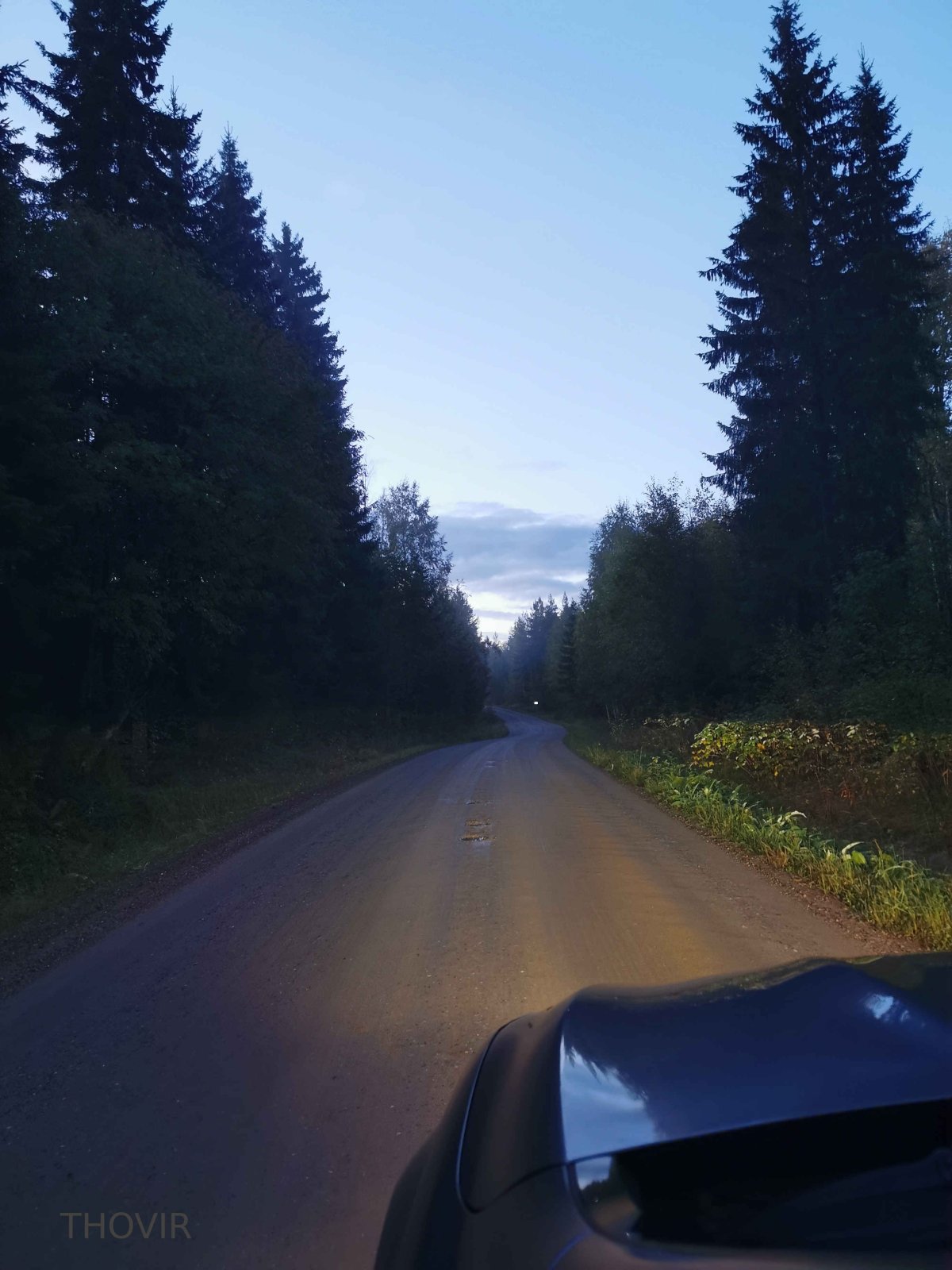

How Easy Is It for Emergency Services to Find Your House or Cottage?
“Emergency services have navigation. Isn’t that enough?”
Navigation systems are extremely useful. They can guide a vehicle close to an address and often to the correct road. But the final metres are different.
A navigation system may not show:
- which private road is the correct one
- which branch to take at an unmarked junction
- which driveway belongs to the address
- whether an entrance has already been passed
- where the house or cottage actually stands behind trees, snow or other buildings
Navigation gets you close. Clear signs confirm the correct route before a wrong turn becomes a problem.

“Then They Can Just Turn Around.”
Sometimes they can. Sometimes they cannot. And first, they have to realise that they missed the correct entrance.
On narrow private roads, forest roads or long driveways, a large ambulance or fire engine may not have enough space to turn safely. The crew may then need to:
- reverse for a considerable distance
- continue until a suitable turning point is found
- manoeuvre a large vehicle in poor visibility
- deal with snow, ice, mud or uneven ground while correcting the route
The issue is not whether they can eventually turn around. The issue is whether the missed entrance was clearly identifiable early enough to avoid the detour in the first place.

“Rescue organisations worldwide invest in location technology because finding people quickly is a real operational problem.”
Smartphones transmit positions automatically, control centres integrate precise-location tools, CAD systems and mapping software are upgraded, and emergency apps are developed to reduce search time. AML can automatically provide a caller’s position, while systems such as what3words divide the world into 3 × 3 metre squares and are used by emergency organisations in multiple countries to communicate exact locations.
Emergency services invest in sophisticated technology to solve a very basic problem: Finding the right place.
Clear physical signage is one big step of that solution.

Quick Check: Can Emergency Services Find You?
Forget that you know the way home. Forget your familiarity with the area, the roads and the surroundings.
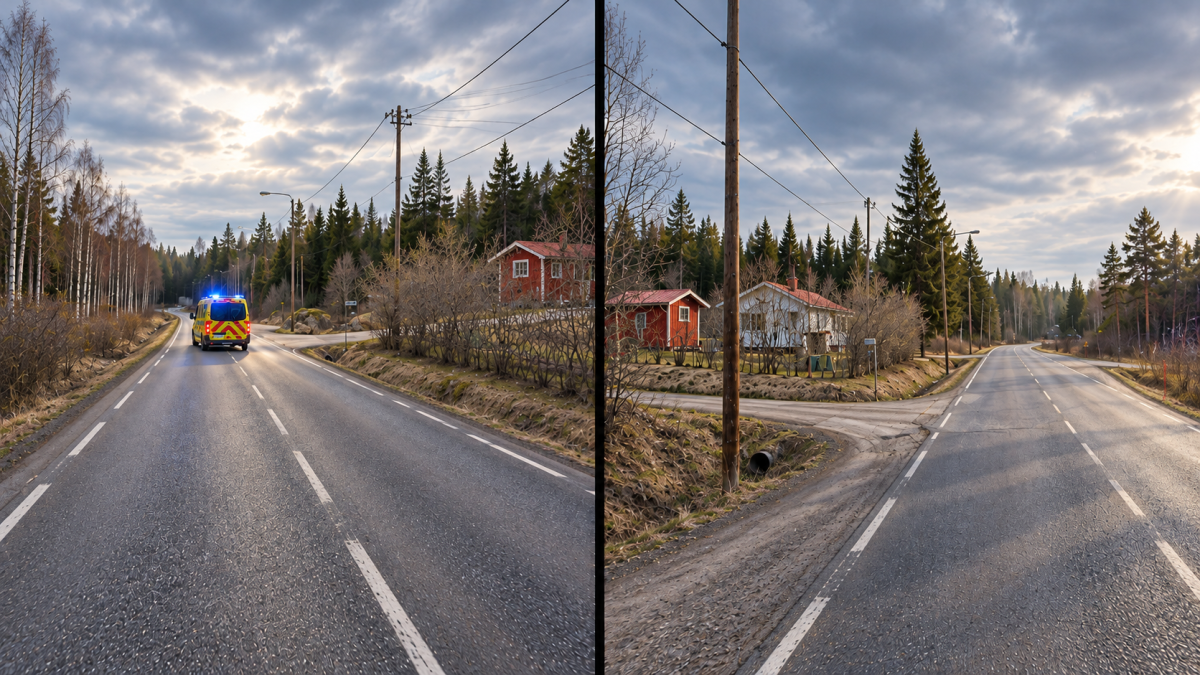
1. Start at the last public road
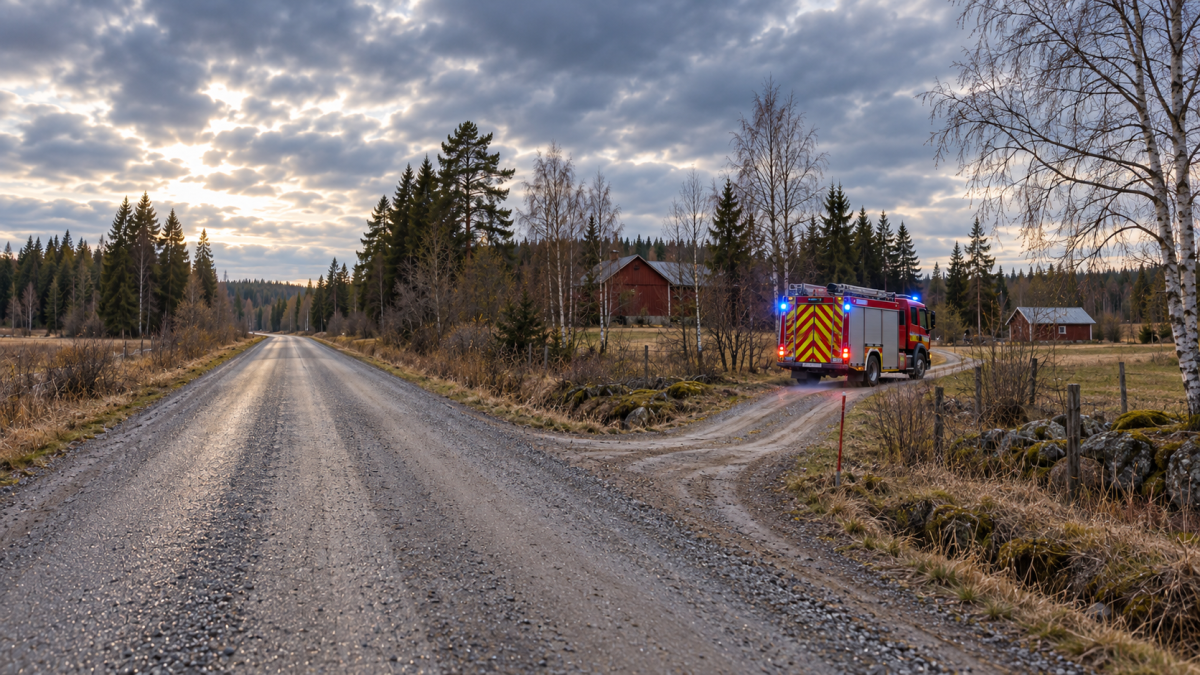
2. Check the other possible approach

3. Follow the route toward your property
- Is the next road or turn clearly marked?
- Is your house number or direction clearly indicated?
- Is it obvious which way to continue?
- Is the road a dead end?
- Can the sign be seen early enough from a vehicle?
- Is the sign visible from a distance with normal vehicle headlights?
- Or does it only become readable when you stop and use a flashlight?

4. Check the final identification
- Is the house or cottage number clearly visible from a distance?
- Is there a plate with your name?
- Can it be recognised before passing the entrance?
- Is the entrance to the property obvious?
- Is the main door easy to identify?
- Is there a doorbell?
- Are there automatic yard or entrance lights?